How Social Media Algorithms Detect Fake Engagement
In today's digital landscape, social media algorithms play a crucial role in determining the authenticity of online interactions. As platforms strive to foster genuine engagement, they face the challenge of identifying and countering fake engagement tactics that undermine user trust. By understanding how these algorithms analyze user behavior and detect inauthentic actions, we can better appreciate their impact on social media dynamics and the importance of cultivating real connections. This exploration sheds light on the mechanisms at play and the best practices for promoting authentic engagement in an ever-evolving online environment.
Understanding Social Media Algorithms
Social media algorithms play a crucial role in how platforms curate content for users. Essentially, these algorithms analyze user behavior data to determine what content to display in a user's feed, influencing engagement significantly.
Here are key components of Social Media Algorithms:
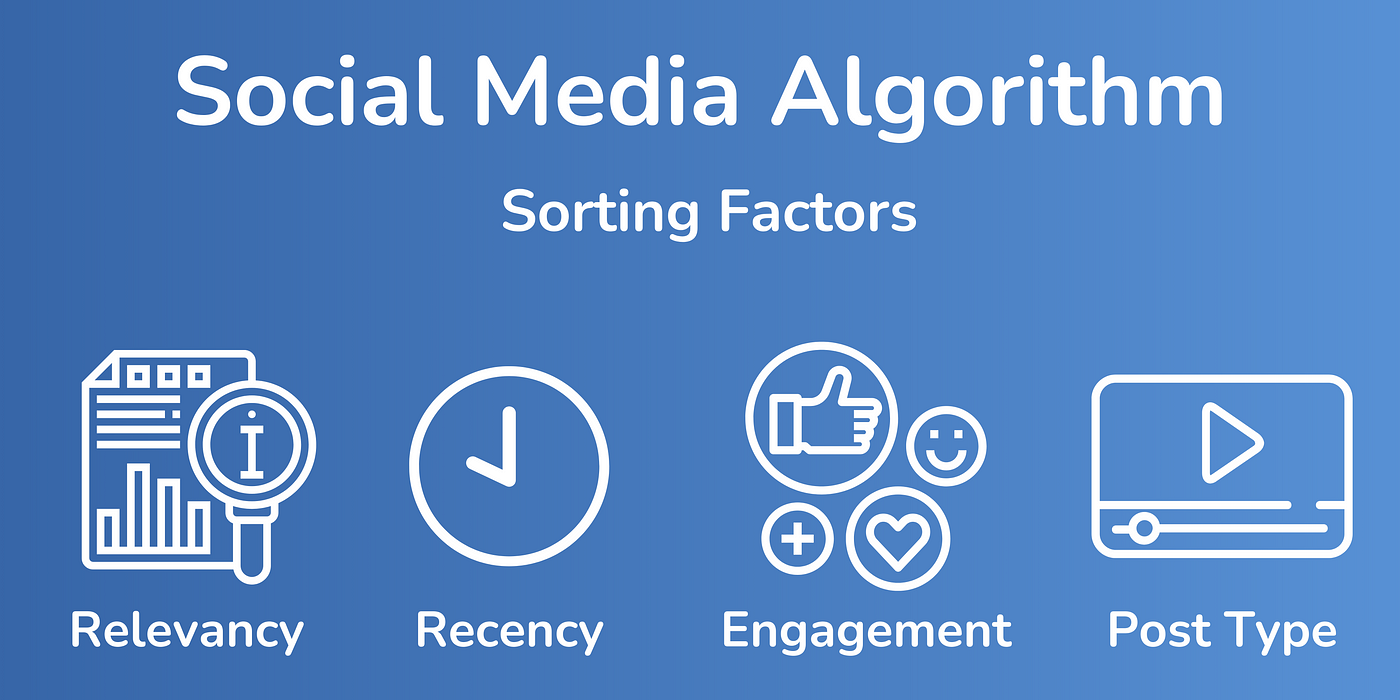
- User Interactions: Algorithms consider likes, shares, comments, and even time spent on various posts. They prioritize content from accounts with which users frequently engage.
- Content Relevance: The algorithms assess the relevance of posts based on user interests. For instance, if you often engage with travel-related content, the algorithm will prioritize similar posts.
- Recency of Posts: Newer content tends to receive more visibility. Social Media Algorithms favor freshness to keep feeds engaging and current.
- User Trends: Algorithms also adapt to trends in user engagement, identifying what types of content are gaining popularity and adjusting visibility accordingly.
Understanding the fundamentals of Social Media Algorithms helps users and marketers create content that fosters authentic engagement. By acknowledging how these algorithms function, content creators can tailor their strategies to ensure their posts reach the right audience effectively. This proactive approach ultimately enhances user experience while aligning closely with the algorithms’ preferences.
Common Types of Fake Engagement
Social Media Algorithms play a crucial role in maintaining the authenticity of online interactions, but they often face challenges due to various types of fake engagement. Understanding these can help users and brands foster genuine connections. Here are some common forms:
- Bots and Automated Accounts: These are computer-generated profiles designed to mimic real users. They can artificially inflate likes, comments, and shares, misleading real users about engagement levels.
- Fake Likes and Followers: Users can purchase likes and followers from services that provide inauthentic accounts. This creates a facade of popularity, inaccurately boosting perceived influence.
- Engagement Pods: Groups of users who agree to like and comment on each other’s content in a coordinated manner. While intended to increase engagement, this often results in superficial interactions devoid of genuine interest.
- Click Farms: These are services that employ numerous low-paid individuals to engage with content en masse. Although they generate high engagement statistics, the interactions remain unreliable and disingenuous.
- Misleading or Clickbait Headlines: Using sensationalized headlines that promise more than the content delivers can lead to spikes in interactions. However, this type of engagement typically results in high drop-off rates and can cause Social Media Algorithms to penalize the post.
By recognizing these common types of fake engagement, users can work alongside Social Media Algorithms to promote authentic interaction and improve online communities.
How Algorithms Identify Inauthentic Behavior
Social Media Algorithms play a crucial role in maintaining the integrity of online interactions. To combat fake engagement, these algorithms utilize sophisticated techniques to identify inauthentic behavior, ensuring that genuine user experiences prevail.
Here are some key methods employed by social media platforms:
- User Behavior Analysis: Algorithms monitor how users interact with content. For instance, sudden spikes in likes or comments within a short period can signal the presence of bots or manipulated accounts.
- Engagement Patterns: Real users exhibit distinct patterns of interaction, such as varying times of engagement and diversity in content preferences. In contrast, fake accounts often show repetitive behaviors.
- Content Authenticity Checks: Algorithms assess the originality of posts and cross-reference them against databases of known spam and misinformation. Content flagged as suspicious undergoes further scrutiny.
- Network Analysis: Platforms analyze connections between accounts. Unnatural clusters of accounts engaging heavily with each other might indicate a coordinated effort to inflate engagement metrics.
Comparison of Authentic vs. Inauthentic Engagement
In conclusion, by understanding how Social Media Algorithms detect inauthentic behavior, users can better navigate the digital landscape and focus on fostering genuine engagement.
The Impact of Fake Engagement on Social Media Platforms
Fake engagement poses a significant threat to the integrity and effectiveness of social media platforms. Here’s how it impacts these platforms:
- Decreased Trust: Users lose faith in the authenticity of content. When they see inflated likes or comments, they may question the reliability of the information or the brand.
- Skewed Analytics: Social Media Algorithms rely on engagement metrics to determine content visibility. Fake engagement disrupts these metrics, resulting in skewed data that can mislead brands about their audience's interests and behavior.
- Economic Consequences: Brands investing in ad campaigns may experience reduced ROI. Fake engagement can give businesses a false sense of success, prompting them to allocate budget to ineffective strategies.
- Algorithm Adjustments: To combat fake engagement, platforms need to refine their Social Media Algorithms, which can lead to increased scrutiny and potential penalties for genuine users. This can inadvertently hurt authentic creators trying to reach their audience.
In summary, the repercussions of fake engagement extend beyond superficial likes and comments, affecting user trust, content visibility, and economic implications for brands, making it crucial to maintain authenticity in interactions.
Best Practices for Genuine User Engagement
To foster authentic interactions on social media, it's vital to implement strategies that resonate with your audience. By doing so, you not only evade the pitfalls of Social Media Algorithms but also enhance user loyalty. Here are some best practices to consider:
- Create Quality Content: Prioritize informative and visually appealing posts. Engaging content encourages genuine interaction.
- Know Your Audience: Tailor your posts based on audience preferences. Utilize analytics to understand what resonates with your followers.
- Encourage Conversation: Use questions and interactive elements, such as polls or quizzes, to promote dialogue. This kind of engagement signals to Social Media Algorithms that your content is valuable.
- Be Consistent: Regularly post content to maintain interest. A consistent schedule keeps your audience engaged and attuned to your updates.
- Diversify Content Formats: Mix images, videos, and live streams. Different formats can appeal to various segments of your audience and help combat algorithm biases.
- Engage with Followers: Respond to comments and messages promptly. Genuine engagement fosters community and strengthens user relationships.
By applying these best practices, you not only reduce the risk of attracting negative attention from Social Media Algorithms but also cultivate a vibrant and interactive online community. This ensures that your social media presence remains authentic and impactful.